If you are looking to ship goods internationally from Canada, ocean freight might be your best option. With a vast coastline and numerous well-equipped ports, Canada offers extensive shipping routes and highly efficient access to major global markets. In this comprehensive guide, we will walk you through everything you need to know about shipping ocean freight from Canada.
When is Sea Freight the Best Option?
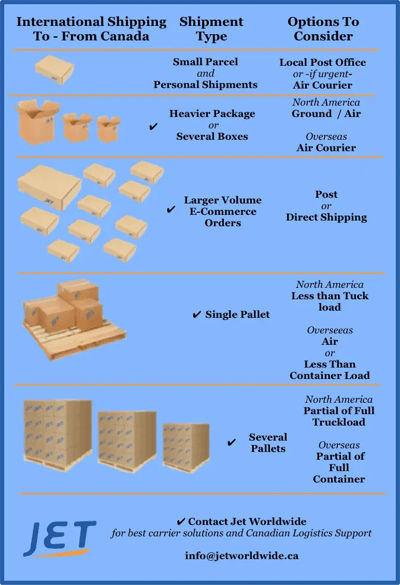
Generally, shipping via ocean is best for large commercial orders that have a lead time of several months. As a rule of thumb, the true cost benefits of ocean freight begin to accrue for shipments weighing between 100 and 500 kilograms.
Note: We use the terms ocean freight and sea freight interchangeably throughout this guide.
Can I Ship Small Packages via Ocean?
The Canada Post surface option offers the lowest cost for shipping a single parcel worldwide. However, the transit time averages between one to three months. The most significant drawback with this surface option is the complete lack of tracking.
Why Does Ocean Freight Cost More Than Air for Small Shipments?
Shipments sent via ocean freight are subject to a myriad of surcharges. Surcharges that apply per kilogram often have a strict minimum charge, while others apply regardless of the shipment weight. These surcharges create a significant cost barrier for small shipments. By contrast, air freight is more expensive per kilogram but comes with much lower baseline surcharges. Ultimately, it can be less expensive to send shipments weighing under 100 kilograms via economy air rather than sea freight.

How to Prepare Your Ocean Freight Shipment
1. Choose the Right Port
The first step in shipping ocean freight from Canada is selecting the right port for your specific shipment. Major Canadian ports include Vancouver, Montreal, Halifax, and Prince Rupert. All offer a robust range of services. Connections to various global regions align with their respective east versus west coast locations. Consider factors such as proximity, accessibility, and infrastructure when choosing your port.
2. Work with a Freight Forwarder
To successfully navigate the complexities of international shipping, we highly advise partnering with a reputable freight forwarder. A freight forwarder will handle all crucial aspects of your shipment, including documentation, customs clearance, and finding the most cost-effective shipping routes. They also provide valuable guidance on packaging, labeling, and cargo insurance.
Read more about Canadian Freight Forwarders.
3. Prepare and Package Your Goods
Properly preparing and packaging your goods is crucial to ensure they arrive at their destination in perfect condition. Follow strict industry best practices and use sturdy, secure packaging materials. If your shipment contains fragile or perishable items, label them clearly. For standard ocean freight, all goods must be secured on pallets.
Documentation Required for Ocean Freight from Canada
When shipping via ocean from Canada, you must ensure all necessary documentation is in perfect order. While requirements vary based on the nature of your shipment, the standard paperwork generally includes:
- Bill of lading
- Commercial invoice
- Packing list
- Certificate of origin (crucial for benefiting from Canada Free Trade Agreements)
Always confirm the necessary paperwork for import into the destination country. Double-check this point with the consignee prior to shipping. Working alongside your freight forwarder will help you navigate the customs clearance process with ease.
Choose the Right Shipping Method
There are two primary shipping methods for ocean freight: Full Container Load (FCL) and Less than Container Load (LCL). FCL is highly suitable for large shipments that require an entire container. LCL is ideal for smaller shipments that can share container space with other cargo. Consider your shipment size, budget, and urgency when making this decision.
Understand Incoterms
Incoterms (International Commercial Terms) define the specific responsibilities of buyers and sellers in international trade. It is essential to understand the Incoterms that apply to your shipment, as they determine who is responsible for costs, risks, and logistical arrangements. Commonly used shipping terms include EXW (Ex Works), FOB (Free on Board), and CIF (Cost, Insurance, and Freight). Read more to clearly understand your shipping terms.
Track and Monitor Your Shipment
Once your ocean freight shipment is on its way, tracking its progress is vital. Many freight forwarders offer online tracking services to keep you updated. As an added layer of security, we highly recommend placing an Apple AirTag or similar GPS device inside your shipment. This drastically improves the visibility of your cargo in addition to the data the carrier provides.
Regularly communicate with your freight forwarder to address any potential issues early on.
Get an Ocean Shipping Quote from Canada
Contact our team today to get current rates and detailed information for shipping sea freight from Canada.