
What is Declared Value? In international shipping, the declared value is the total monetary worth of your goods as stated on the customs invoice. It is the primary determinant for import duties and taxes. Accurate valuation prevents costly over-payments and protects you from significant legal fines or shipment seizures caused by under-declaration.

Optimizing Value Declarations for International Shipping
Understanding valuation is critical for global logistics. It is one of the three core elements used by customs authorities to assess duty rates:
- Value of the Goods: The monetary worth (detailed below).
- Origin of the Goods: Where the product was manufactured.
- HS Code: The specific Customs tariff classification.
Disclaimer: The information provided by Jet Worldwide is for general guidance. Always verify compliance with local customs regulations before shipping.

🚀 Strategy: Use AI to Simplify Your Shipping
Modern shippers use AI to ensure 100% compliance. You can use an AI assistant (like Gemini) to help calculate your CIF Value instantly.
Try this prompt:
Tip: AI can also help you find the correct HS Code by describing your product in detail.
What value declaration is correct for international shipments?
The gold standard is the Transaction Value: the actual price paid or payable for the goods. If you sold an item for $400 (including shipping), declare $400 and specify it as the "CIF Value."
Does a high value increase shipping costs?
While the value for customs doesn't change the base freight rate, it directly impacts insurance premiums (usually a percentage of the declared value).

Why Customs might "up-value" your shipment
If the term "CIF Value" is missing, customs officials may use a formula to add estimated transport and insurance costs to your invoice value. This results in higher duty fees than expected. Always be explicit on your paperwork.
Primary Methods for Customs Valuation
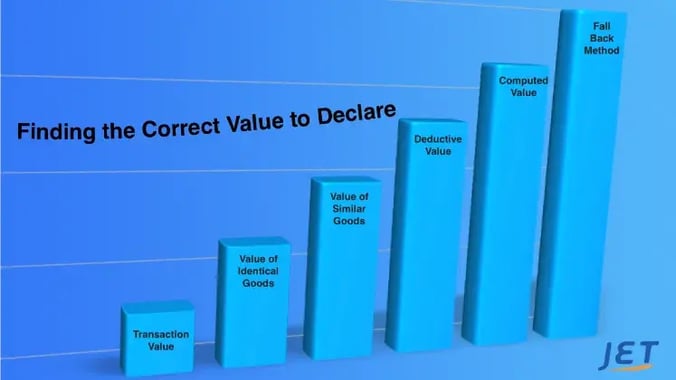
When the Transaction Value isn't applicable, the World Customs Organization (WCO) mandates a specific hierarchy of methods:
- Identical Goods: Value based on the same items sold to the same country.
- Similar Goods: Value based on goods with similar characteristics.
- Deductive Value: Working backward from the resale price in the import country.
- Computed Value: Sum of production costs, profit, and general expenses.
- Fall-back Method: A flexible application of the previous methods.
Special Note: US Customs vs. The World
Unlike most countries that use CIF (Cost, Insurance, Freight), US Customs typically uses the FOB (Free on Board) value—which only considers the cost of the goods themselves. Understanding this distinction can save you 15-20% on US import costs.
Essential Shipping Resources