The Chinese economy is booming with online purchases leading the way. Chinese consumers are eager to purchase from high-quality Canadian and American online sellers.
Read More

The Chinese economy is booming with online purchases leading the way. Chinese consumers are eager to purchase from high-quality Canadian and American online sellers.
The Asia pacific region is filled with world renowned manufacturers and suppliers that Canadian businesses rely on. The logistics of finding capacity for shipping to Canada continues to be a challenge.
Getting insurance for international shipments brings peace of mind for both shippers and importers. But filing, proving, and getting paid for claims can be challenging—especially when relying solely on a carrier’s “declared value” or protection program.
Being a new year, we thought it a good time to review the shifting paradigms we are expecting in 2022.All are ongoing trends and worthy of mention. Growth in the global economy will continue and inventory levels at the start of this year are still relatively low.Pandemic predicting is a bit of a crap shoot but the effects of omicron variant will be felt at least until Q2.
Topics: 2022 e-commerce logistics trends
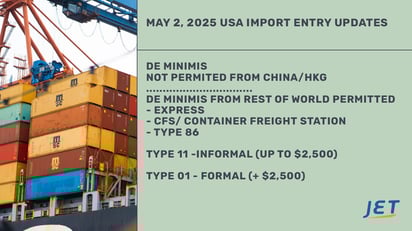
The explosion of packages under the Section 321 de minimis threshold is the target of the US government as well as traditional American retailers. Most of these packages are generally from China, and specifically from Temu and Shein. Without duty, this "de minimis import process" is viewed by many as a loophole.However the import processes for the vast majority of these products seem to adhere to existing US Laws (I say "seem to" as there is a lack of data to know for sure).
The Office of Inspector General report shows the U.S. Postal Service racing to put significant resources towards what will certainly be another record for parcel delivery. While the actions show significant progress, the is an acknowledgement that the the resources may not be in place to handle the deluge of packages.
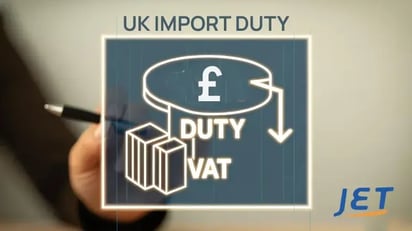
Quick answer: All items shipping from Canada to the UK are subject to duty and VAT (20 percent). Goods that meet Canada-UK Trade Continuity Agreement rules of origin qualify for 0 percent preferential duty. The separate 135 pound duty relief ends by October 2028. Get the lowest market spot quote.
The United Kingdom remains a top market for Canadian companies. While trade is strengthened by the Canada-UK Trade Continuity Agreement (TCA), there is a common misconception that "free trade" means "no fees."
In reality, while the agreement may eliminate duty on qualifying Canadian-made goods, it does not eliminate Value Added Tax (VAT) or other import fees. All commercial consignments to the UK are subject to scrutiny by His Majesty's Revenue and Customs (HMRC).
Amazon is ..well.. Amazon. And their FBA service is in demand from the UK. In fact, too much demand. Amazon has reached inventory limits and delayed fulfillment centre receiving times. Shippers in the USA and Canada are exploring shipping individual online orders direct from Canada and the USA to UK (and European) consumers.
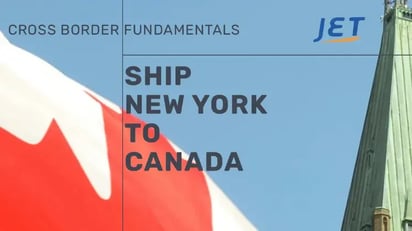
New York and Canada share a strong economic connection via a common land border and USMCA/ CUSMA free trade. New York is a significant exporter to Canada sending over $16 billion worth of merchandise each year. The state exports a variety of other goods, including pharmaceutical products, mineral fuels, and aircraft and machinery.
Jet Worldwide helps New York companies connect with Quebec, Ontario and across Canada with best in class logistics support.
As global retailers navigate ocean price volatility and capacity constraints, a highly efficient logistics strategy has emerged: Direct Order Air Freight. Moving from bulk sea containers to direct-to-consumer parcels is no longer just a trend; it is an absolute necessity for maintaining unit costs, reducing inventory risks, and accelerating delivery speeds.